Author: HiddencafesinHanoi

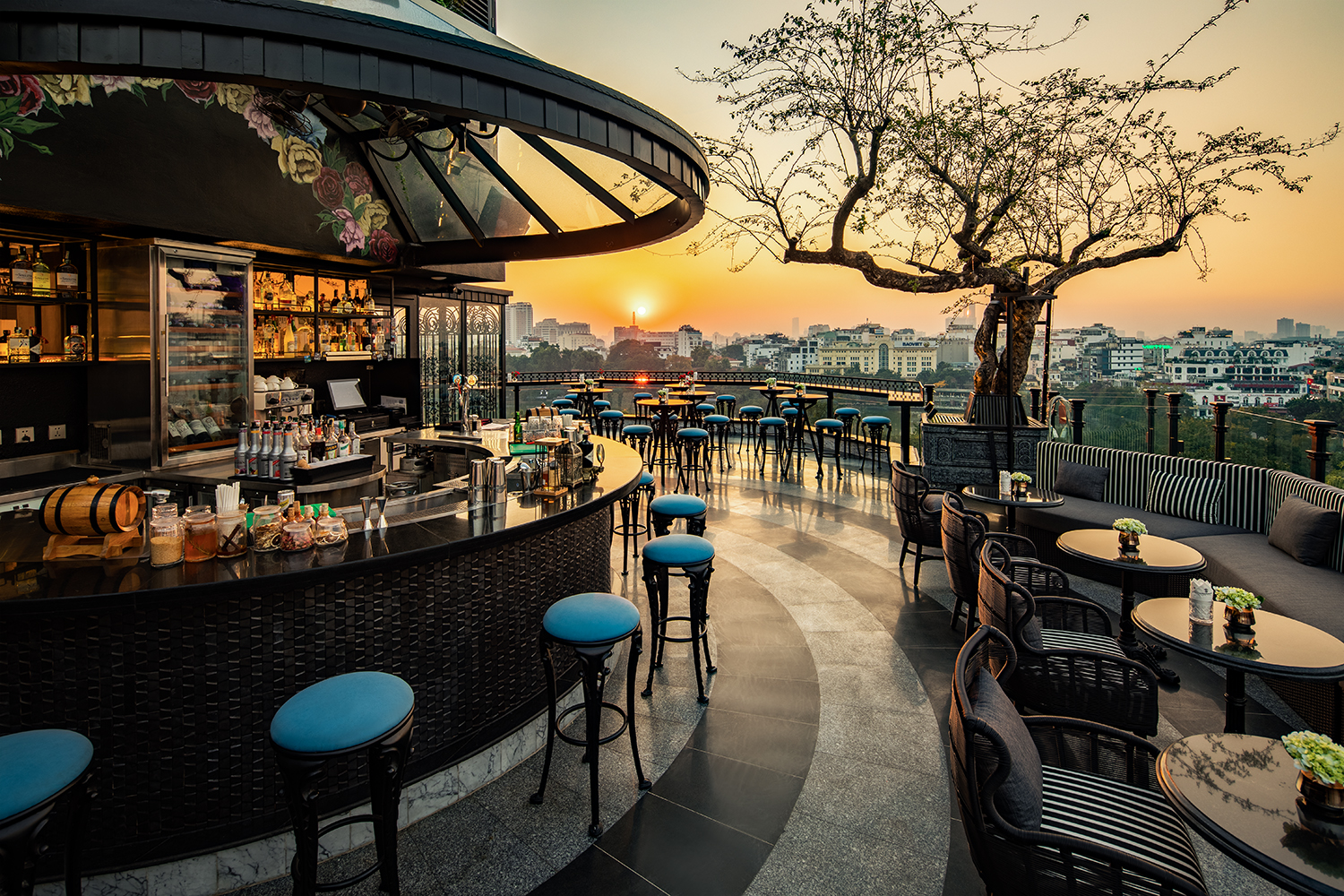
  • ROOFTOP SKYBARS

    ROOFTOP SKYBARS

  • BUILDINGS

    BUILDINGS

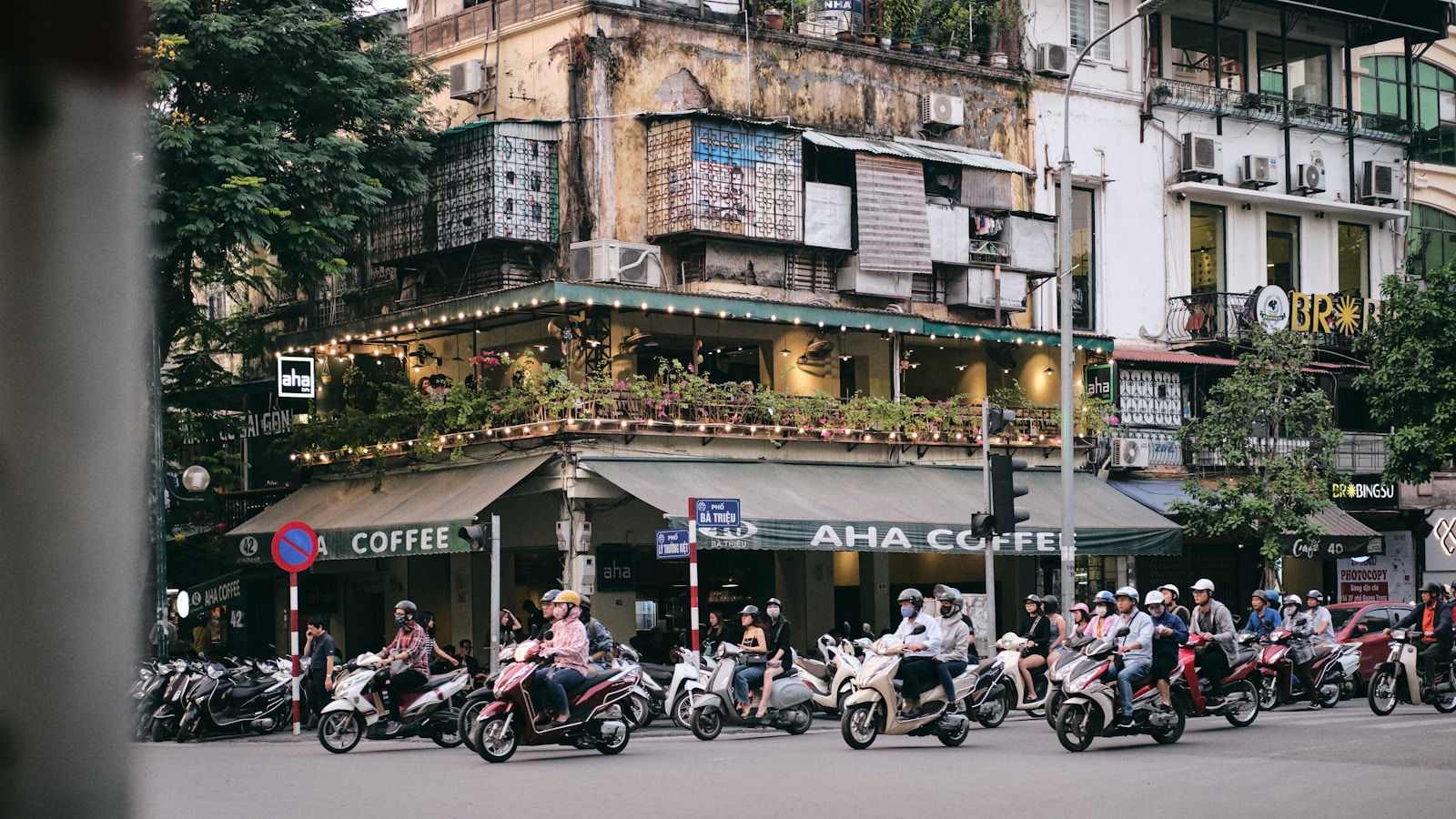
    Hanoi isn’t a city that sticks to a single script. If you look up while walking its streets, you aren’t just seeing buildings; you’re seeing a 1,000-year-old architectural collage. From ancient pagodas that smell of incense to neon-lit skyscrapers that pierce the clouds, the city’s “bones” tell the story of a place that has been colonized, reclaimed, and rapidly modernized.

    To truly understand the “vibe” of Hanoi in 2026, you have to understand the five layers of its architecture.

    The Temple of Literature (Van Mieu): Built in 1040, this is the gold standard of Vietnamese traditional architecture. It features low-slung roofs with “curved tails” (to ward off evil spirits) and symmetrical courtyards that lead the soul toward peace.

    The One Pillar Pagoda: A masterpiece of minimalism. It’s a single wooden shrine balanced on a stone pillar, designed to look like a lotus flower blossoming from the mud.

    The Hanoi Opera House: Modeled after the Palais Garnier in Paris, it is a symphony of white columns and yellow stucco.

    St. Joseph’s Cathedral: A Neo-Gothic giant that looks like a grittier, moss-covered cousin of Notre Dame. Its gray facade is now the unofficial “meeting point” for Hanoi’s youth.

    The Presidential Palace: Pure Italian Renaissance style, painted in that iconic “Hanoi Yellow” that defines the French Quarter.

    The History: Originally, property taxes were calculated based on the width of the storefront. To save money, Hanoians built “tubes” that go back forever.

    The Secret: These buildings often hide beautiful internal courtyards (wells of light) that you’d never know existed from the street. Many of the “hidden cafes” we love are located in the deep recesses of these tube houses.

    While they might look “brutalist” or drab at first glance, they have become the height of “Hanoi Cool” in 2026. Residents have added “tiger cages” (extended balconies) and converted tiny apartments into hidden vintage cafes and art studios. They are living, breathing ecosystems of DIY architecture.

    Lotte Center Hanoi: A 65-story skyscraper shaped like a traditional áo dài (Vietnamese dress).

    Keangnam Landmark 72: Once the tallest building in the country, it remains a symbol of Hanoi’s economic boom.

    TechnoPark Tower: A 2020s addition that is one of the most “AI-integrated” and green-certified buildings in the world.

  • COFFEE BEANS

    COFFEE BEANS

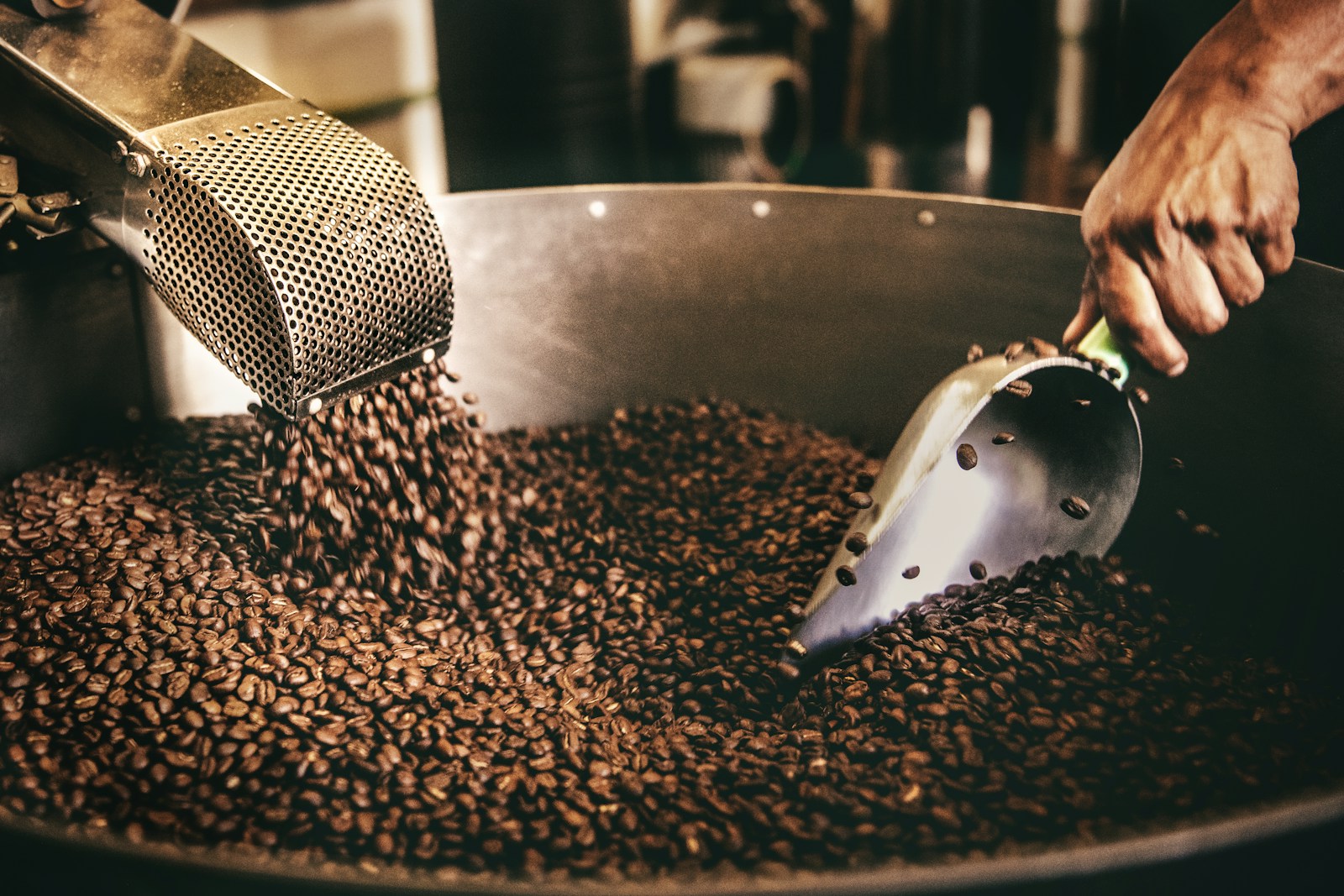
    If you’ve spent more than five minutes in Hanoi, you’ve smelled it: that intoxicating, heavy aroma of dark chocolate, toasted nuts, and a hint of smoke wafting from a “Hẻm” (alleyway). While the city’s cafes are famous for their atmosphere, the real secret is the bean.

    In the world of coffee, Vietnam is often called the “Engine Room.” As of 2026, we remain the world’s undisputed king of Robusta, but there is a quiet revolution happening right now in the specialty scene that is changing the way we think about the humble bean.

    The Big Two: Robusta vs. Arabica
    In Vietnam, coffee isn’t just a drink; it’s a spectrum of strength.

    Robusta (Ca Phe Voi): The Muscle
    Account for nearly 90% of Vietnam’s production. It is the “muscle” of Vietnamese coffee. Grown primarily in the red volcanic soil of the Central Highlands (Buon Ma Thuot, it has double the caffeine of Arabica. This type of beans has bold, nutty, and slightly bitter with an earthy finish.

    Arabica (Ca Phe Che): The Beauty
    Grown at higher altitudes, mainly in the “Little Paris” of Da Lat. While less common, Vietnamese Arabica is prized for its elegance. On the other hand, this type offers a bright, floral, and acidic with a fruity sweetness.

    The Hidden Gems: Culi and Excelsa
    If you want to sound like a local when ordering at a Hanoi roastery, look for these:

    Culi (Peaberry): Most coffee cherries produce two flat-sided beans. A “Culi” is a natural mutation where only one round, dense bean grows. Because the bean absorbed all the nutrients alone, it packs an intense caffeine punch and a syrupy body.

    Excelsa (Ca Phe Mit): Also known as “Jackfruit Coffee” because the trees have leaves similar to jackfruit trees. It’s rare and usually blended into house roasts to add a mysterious, tart, and woody complexity.

    The Roasting Ritual: The Butter Secret
    Why does Vietnamese coffee taste so much like cocoa? Traditionally, Vietnamese roasters didn’t just use heat; they used a “Butter Roast” technique.

    To stand up to the naturally harsh bitterness of Robusta, beans were often roasted with a touch of butter (or margarine), and sometimes even a splash of rice wine or a pinch of salt. This creates a caramelized coating that gives the brew its signature thick mouthfeel and chocolatey scent.

    A Note on Authenticity: You might see “Weasel Coffee” (Ca Phe Chon) in tourist shops. While real weasel coffee is a rare, expensive process involving fermentation in the digestive tract of civets, most “Chon” sold in the Old Quarter today is a clever chemical imitation designed to mimic that smoothness. For a truly high-end experience in 2026, look for “Fine Robusta” instead.

    Hanoi roasteries like Blackbird, Dream Beans, and RAAW are now treating Robusta with the same reverence usually reserved for expensive Arabica. By using “honey-processing” (leaving some of the fruit on the bean during drying) and lighter roasts, they are uncovering flavors of salted caramel, dried berries, and spice that were previously hidden by dark roasting.

    Ah coffee!

people inside cafe