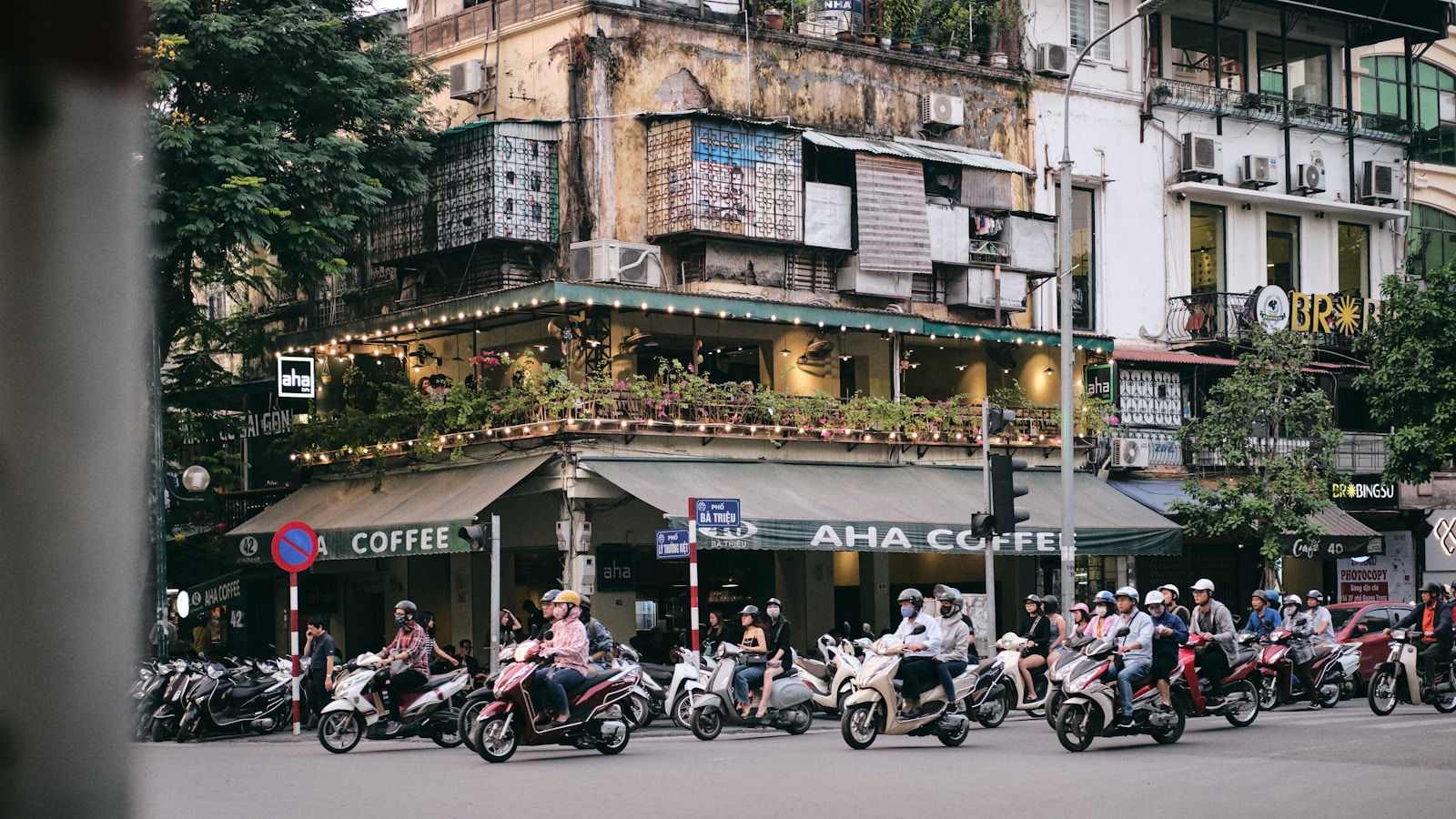
Hanoi isn’t a city that sticks to a single script. If you look up while walking its streets, you aren’t just seeing buildings; you’re seeing a 1,000-year-old architectural collage. From ancient pagodas that smell of incense to neon-lit skyscrapers that pierce the clouds, the city’s “bones” tell the story of a place that has been colonized, reclaimed, and rapidly modernized.
To truly understand the “vibe” of Hanoi in 2026, you have to understand the five layers of its architecture.
The Temple of Literature (Van Mieu): Built in 1040, this is the gold standard of Vietnamese traditional architecture. It features low-slung roofs with “curved tails” (to ward off evil spirits) and symmetrical courtyards that lead the soul toward peace.
The One Pillar Pagoda: A masterpiece of minimalism. It’s a single wooden shrine balanced on a stone pillar, designed to look like a lotus flower blossoming from the mud.
The Hanoi Opera House: Modeled after the Palais Garnier in Paris, it is a symphony of white columns and yellow stucco.
St. Joseph’s Cathedral: A Neo-Gothic giant that looks like a grittier, moss-covered cousin of Notre Dame. Its gray facade is now the unofficial “meeting point” for Hanoi’s youth.
The Presidential Palace: Pure Italian Renaissance style, painted in that iconic “Hanoi Yellow” that defines the French Quarter.
The History: Originally, property taxes were calculated based on the width of the storefront. To save money, Hanoians built “tubes” that go back forever.
The Secret: These buildings often hide beautiful internal courtyards (wells of light) that you’d never know existed from the street. Many of the “hidden cafes” we love are located in the deep recesses of these tube houses.
While they might look “brutalist” or drab at first glance, they have become the height of “Hanoi Cool” in 2026. Residents have added “tiger cages” (extended balconies) and converted tiny apartments into hidden vintage cafes and art studios. They are living, breathing ecosystems of DIY architecture.
Lotte Center Hanoi: A 65-story skyscraper shaped like a traditional áo dài (Vietnamese dress).
Keangnam Landmark 72: Once the tallest building in the country, it remains a symbol of Hanoi’s economic boom.
TechnoPark Tower: A 2020s addition that is one of the most “AI-integrated” and green-certified buildings in the world.

Leave a Reply