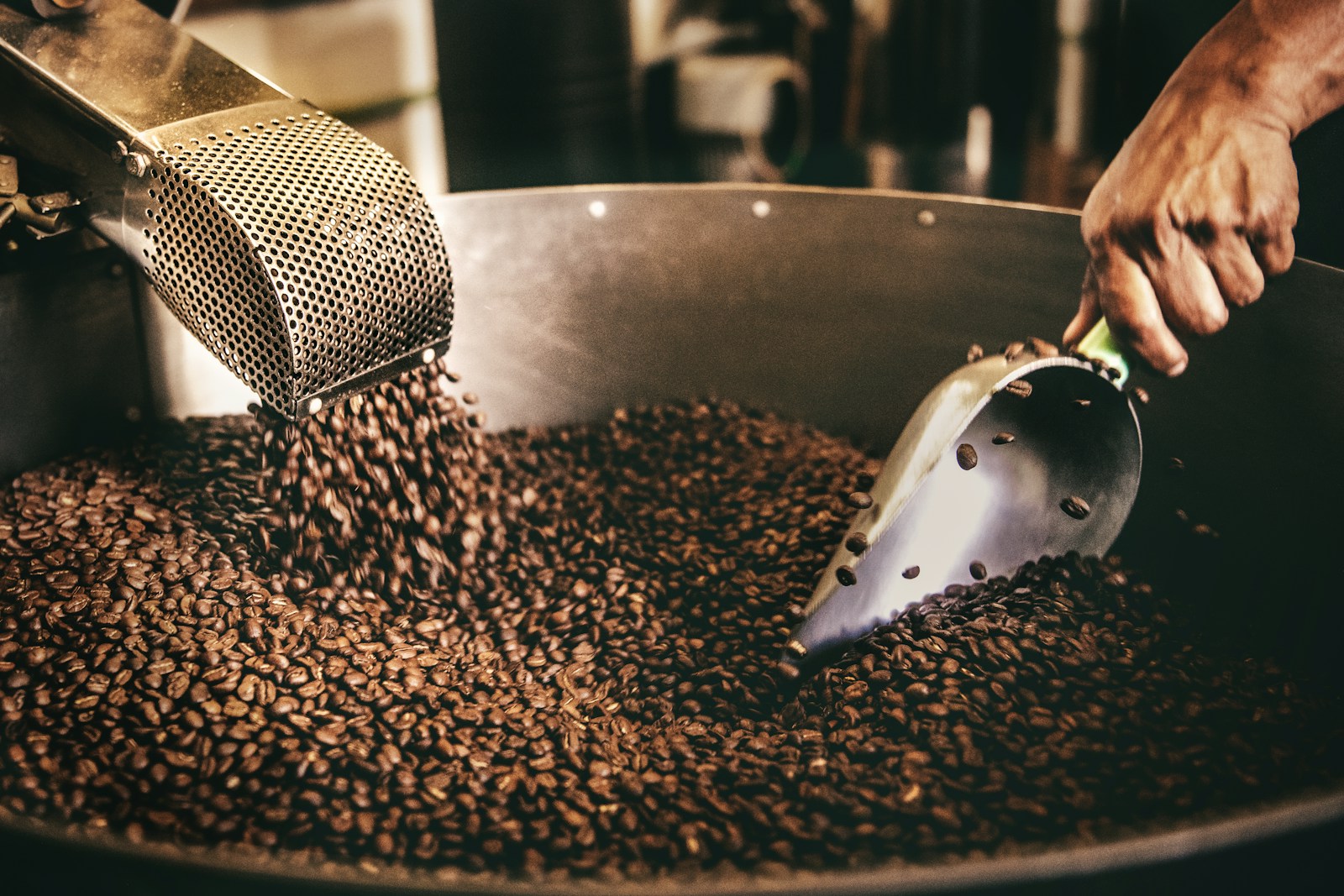
If you’ve spent more than five minutes in Hanoi, you’ve smelled it: that intoxicating, heavy aroma of dark chocolate, toasted nuts, and a hint of smoke wafting from a “Hẻm” (alleyway). While the city’s cafes are famous for their atmosphere, the real secret is the bean.
In the world of coffee, Vietnam is often called the “Engine Room.” As of 2026, we remain the world’s undisputed king of Robusta, but there is a quiet revolution happening right now in the specialty scene that is changing the way we think about the humble bean.
The Big Two: Robusta vs. Arabica
In Vietnam, coffee isn’t just a drink; it’s a spectrum of strength.
Robusta (Ca Phe Voi): The Muscle
Account for nearly 90% of Vietnam’s production. It is the “muscle” of Vietnamese coffee. Grown primarily in the red volcanic soil of the Central Highlands (Buon Ma Thuot, it has double the caffeine of Arabica. This type of beans has bold, nutty, and slightly bitter with an earthy finish.
Arabica (Ca Phe Che): The Beauty
Grown at higher altitudes, mainly in the “Little Paris” of Da Lat. While less common, Vietnamese Arabica is prized for its elegance. On the other hand, this type offers a bright, floral, and acidic with a fruity sweetness.
The Hidden Gems: Culi and Excelsa
If you want to sound like a local when ordering at a Hanoi roastery, look for these:
Culi (Peaberry): Most coffee cherries produce two flat-sided beans. A “Culi” is a natural mutation where only one round, dense bean grows. Because the bean absorbed all the nutrients alone, it packs an intense caffeine punch and a syrupy body.
Excelsa (Ca Phe Mit): Also known as “Jackfruit Coffee” because the trees have leaves similar to jackfruit trees. It’s rare and usually blended into house roasts to add a mysterious, tart, and woody complexity.
The Roasting Ritual: The Butter Secret
Why does Vietnamese coffee taste so much like cocoa? Traditionally, Vietnamese roasters didn’t just use heat; they used a “Butter Roast” technique.
To stand up to the naturally harsh bitterness of Robusta, beans were often roasted with a touch of butter (or margarine), and sometimes even a splash of rice wine or a pinch of salt. This creates a caramelized coating that gives the brew its signature thick mouthfeel and chocolatey scent.
A Note on Authenticity: You might see “Weasel Coffee” (Ca Phe Chon) in tourist shops. While real weasel coffee is a rare, expensive process involving fermentation in the digestive tract of civets, most “Chon” sold in the Old Quarter today is a clever chemical imitation designed to mimic that smoothness. For a truly high-end experience in 2026, look for “Fine Robusta” instead.
Hanoi roasteries like Blackbird, Dream Beans, and RAAW are now treating Robusta with the same reverence usually reserved for expensive Arabica. By using “honey-processing” (leaving some of the fruit on the bean during drying) and lighter roasts, they are uncovering flavors of salted caramel, dried berries, and spice that were previously hidden by dark roasting.


Leave a Reply